How to Prevent Trailer Anxiety in Horses: A Complete Guide
Horse trailer anxiety is an essential skill for every horse owner who travels with their animals. Whether you are new to horse ownership or looking to improve your trailering routine, this step-by-step guide will help you do it safely and confidently.
Before You Start
Preparation is the key to success. Before you begin:
- Check your equipment. Inspect your trailer, hitch, safety chains, and breakaway brake system before every trip.
- Assess your horse's readiness. A calm, well-prepared horse makes everything easier and safer.
- Review your route. Know where you are going, plan rest stops if needed, and check weather conditions.
- Gather your supplies. Have hay, water, lead ropes, a first aid kit, and emergency tools ready.
Step-by-Step Guide
Step 1: Preparation
Start by preparing both your trailer and your horse. A clean, well-maintained trailer with proper footing gives your horse confidence. Remove any debris, check that mats are secure, and ensure all doors and dividers operate smoothly.
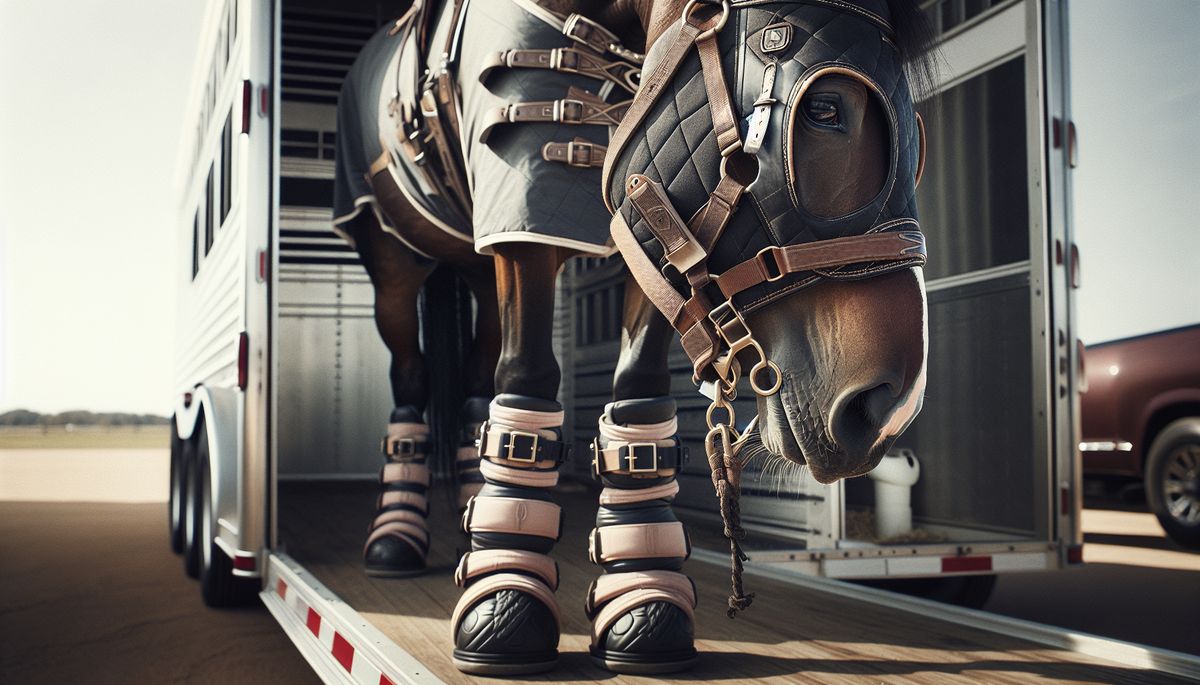
For your horse, make sure they are groomed, fed appropriately (not immediately before loading), and wearing the right protective gear — shipping boots or wraps for legs, and a head bumper if your horse tends to raise their head during loading.
Step 2: Setup
Position your trailer on level ground with the rear facing an open area. If possible, use a chute, fence line, or building wall to create a natural guide path toward the trailer entrance. Good lighting matters — horses are naturally cautious about stepping into dark spaces.
Open all doors, windows, and vents to let light and air into the trailer. Some horses load more willingly when they can see through the trailer to the other side.
Step 3: Execution
Move with calm, deliberate energy. Horses read your body language and emotional state — confidence and patience are contagious.
- Walk at your horse's pace, not yours
- Use clear, consistent verbal cues
- Allow your horse to look at and smell the trailer
- Reward small steps of progress with a quiet voice and patience
- Never rush or force the process
Step 4: Safety Checks
Once your horse is in position:
- Secure all latches and safety mechanisms
- Double-check that nothing can come loose during travel
- Verify your horse has adequate room and ventilation
- Make sure water is accessible if you are traveling more than an hour
Step 5: During Transit
Monitor conditions throughout your trip:
- Drive smoothly — avoid sudden braking, sharp turns, and rapid acceleration
- Check mirrors frequently to observe the trailer
- Stop every two to three hours on long trips to offer water and check on your horses
- Adjust ventilation based on weather conditions
Common Mistakes to Avoid
Even experienced horse owners make these errors:
- Rushing the process. Patience prevents injuries and builds trust.
- Neglecting maintenance. A squeaky ramp or stiff latch can spook a horse and create a dangerous situation.
- Overloading the trailer. Respect weight limits and leave room for your horses to balance.
- Skipping pre-trip inspections. Tire pressure, brake function, and lights should be checked before every trip.
- Forgetting hydration. Horses dehydrate faster during travel than at rest, especially in warm weather.
Safety First
Your horse's safety and comfort should always be the top priority. Key safety principles:
- Never tie a horse in a trailer with the rear door open
- Always have a way to quickly release your horse in an emergency
- Carry a basic horse first aid kit in the trailer
- Keep your cell phone charged and know the nearest emergency vet along your route
- Share your travel plan with someone at home
When to Ask for Help
There is no shame in asking for help, especially when:
- Your horse has had a previous traumatic trailering experience
- You are new to hauling and want hands-on guidance
- Your horse shows signs of extreme anxiety or resistance
- You are planning an unusually long or complex trip
A qualified trainer, experienced friend, or your local equine veterinarian can provide valuable guidance specific to your situation.
Equipment Recommendations
Having the right equipment makes a significant difference:
- Quality lead rope: A sturdy cotton or yacht braid lead rope gives you secure control without risking burns.
- Shipping boots or wraps: Protect your horse's legs from injury during loading and travel.
- Rubber floor mats: Provide traction and cushioning for your horse's comfort and safety.
- Trailer camera: Monitor your horses during travel without needing to stop and check.
For more equipment guides, browse our dealer directory to find dealers who carry accessories and can recommend the right gear for your setup.
Related guides: How To Train Horse To Load Trailer, How To Load Horse Into Trailer Safely.
Final Thoughts
Mastering horse trailer anxiety takes practice, patience, and the right approach. Start with short, positive experiences and gradually build up to longer trips. Your horse will gain confidence with each successful outing.
Find trusted dealers and resources at HorseTrailerDealers.com.